A Simple Guide to Bowling Ball Coverstocks and Cores
When you choose a bowling ball, two important things to think about are the coverstock and the core. Knowing these can help you pick the best bowling ball for you.
Coverstock: The Outer Layer
Types of coverstocks:
Plastic/Polyester
Plastic/Polyester balls: Smoothest and cheapest. They don’t hook too hard into the lane, and they are good for straight shots and beginners. Plastic coverstocks have least amount of friction with the lane surface. This means the ball wont grip the lane much, for a more straighter shot. Also plastic balls are typically the most affordable option on the market.
Urethane
Urethane: Creates more grip than plastic, helping the ball to curve more. They are grease for bowlers who want better control and stendiness. One of the biggest differences between plastic and urethane is the amount of friction urethane creates with the lane. Urethane coverstocks grip the lane more, which means they can hook earlier than plastic balls.
Reactive Resin
Reactive Resin: These are the best and offer the best grip on the lane. The reactive resin can hook a lot, and will help skilled players get huge strikes and improve pin action in their game.
Now time for the cores.
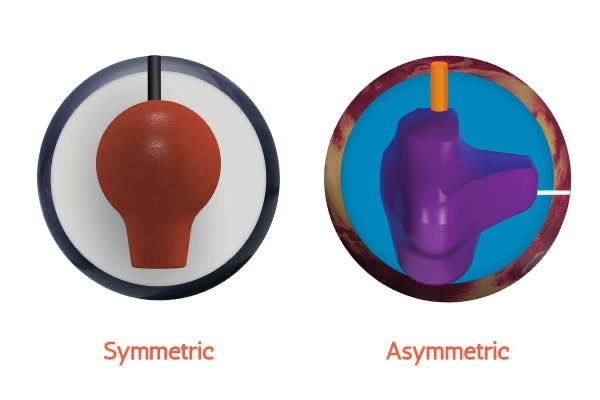
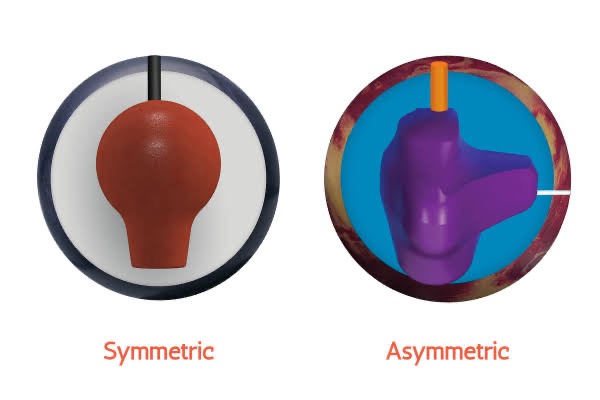
Core: The center of the ball, the core is the inner part of the ball, which affects how it spins and goes down the lane, there are two main types of cores:
Symmetrical Core
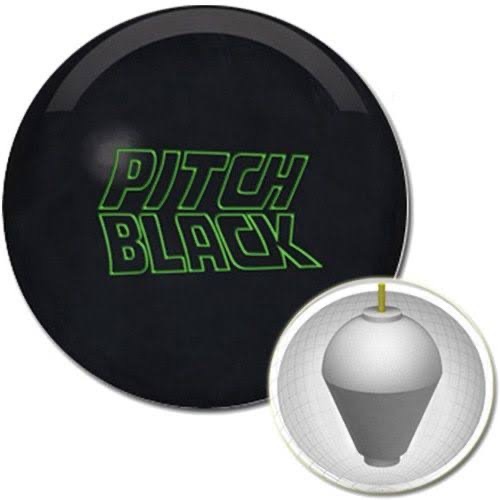
Symmetrical Core: This type of core offers a balanced and predictable roll. If you’re looking for a consistency in your shots, symmetrical cores are a safe bet.
Asymmetrical Core
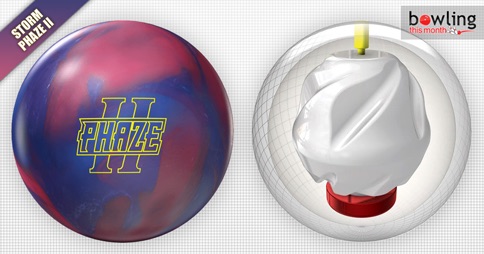
Asymmetrical Core: These cores that will not offer balance to the ball, and creates a stronger, quicker hook. Advance players wanting more aggressive movement on the lane can take help from this core.
Putting It All Together
For beginners, a plastic ball with a symmetrical core is a good start. As you improve, moving to a urethane or reactive resin ball with an asymmetrical core can more control and hook to your game.
Rember, choosing the right coverstock and core depends on your playing style, lane conditions, and what kind of movement you want for your ball.

 Bowling Mainiac